
Power Plant Employment
Jörg Markowitsch — 04.03.2022
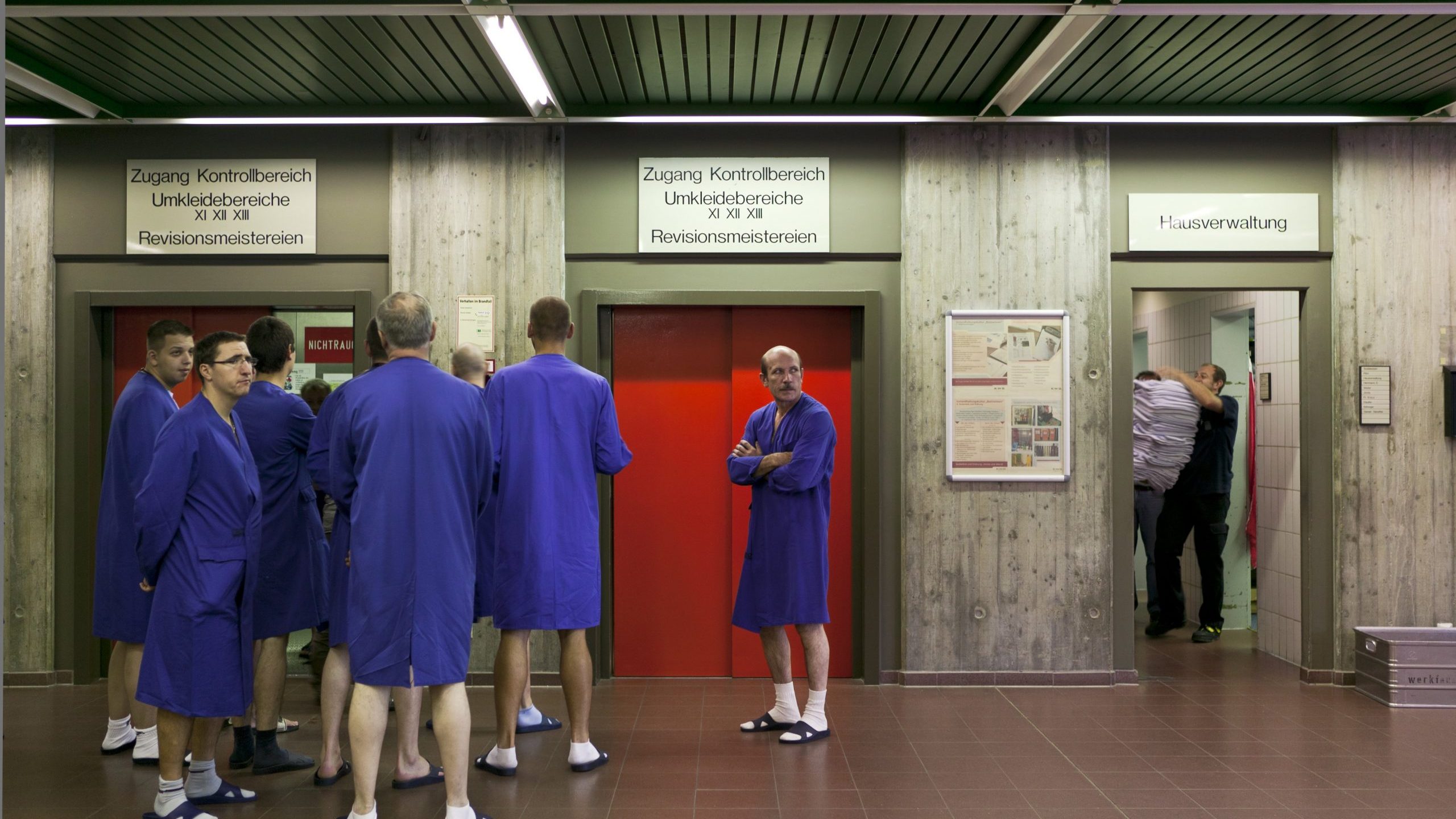
Movies and documentaries on reactor disasters were trending last year. 10 years since Fukushima and 35 years since Chernobyl rolled the carpet out. For a true insight into the working world of nuclear power plants, however, I do recommend going further back, to Volker Sattel’s „Unter Kontrolle“ (2011).
From the terrace of my house, I have a view of Austria’s only nuclear power plant, which, as some may know, was never activated. From a distance, it looks like the shed of the coal-fired power station next to it, which was built as an alternative.
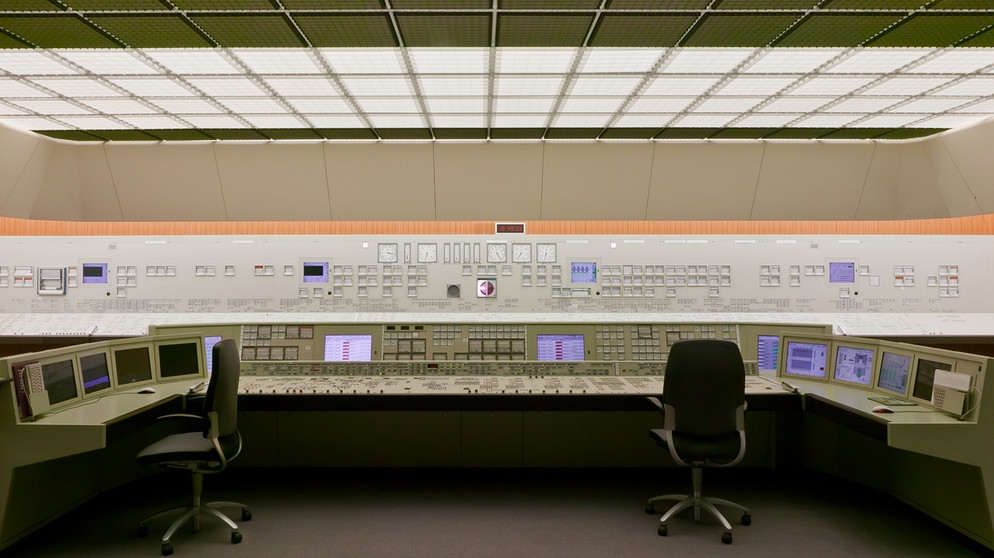
As an Austrian, I automatically associate nuclear power plants (NPP) with vacancy. Photos of the interior I am aware of show the impressive control room either abandoned or as a backdrop for fashion shoots. Everything I had known about working at nuclear power plants, I owe to Homer Simpson and his colleagues Carl Carlson and Lenny Leonard.
From Volker Sattel’s multi-award-winning documentary “Unter Kontrolle” (2011) I learned that the Germans also managed the pointless feat of building nuclear power plants that never went into operation (e.g. Greifswald).
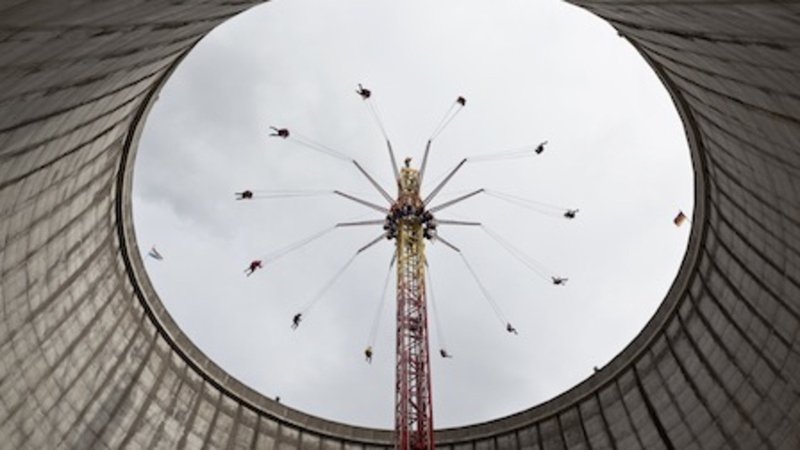
The film assembles exterior and interior shots of German nuclear power plants in an impressive Cinemascope format into one big whole, dispensing with the explanatory narration and rather sparsely using interviews. Sattel skillfully composes the film showing the destinies of these nuclear power plants in various states of use or misuse: Greifswald serves as a training center, Stendal is in the process of being dismantled and “Schneller Brüter” in Kalkar has been converted into an amusement park. Bolstered by shots of nuclear waste canisters, the International Atomic Energy Agency (IAEA) in Vienna, nuclear research laboratories and the annual German nuclear power conference, the film provides an overall view of the civilian nuclear-industrial system.
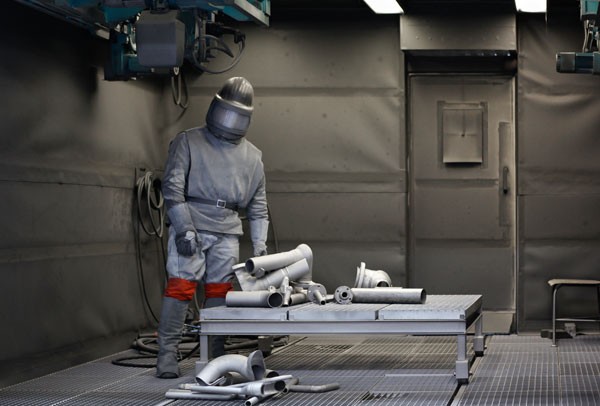
The nuclear world as documented by the camera is predominantly male. It is through male scientists, technicians and radiation protection specialists that the viewer experiences the power plant workplace: doing maintenance work, attending team meetings, serving-up food in the canteen, dressing themselves in the locker room and doing the laundry.
The film, which was completed immediately before the Fukushima disaster and thereafter received increased attention, initially focused on safety aspects alone. In contrast to what the experts in the film were saying, however, the images, which kind of resemble outdated science fiction films, are unable to convey that everything is “under control” here. On the contrary, one has the queasy feeling of being equally at the mercy of technology and “acts of god”.
Later, the focus of the film shifts to the disposal, dismantling and after-use of nuclear power plants. It becomes clear that the need for radiation protection specialists is equally outdated. In compensation, they are reskilled as specialists in power plant dismantling. The film “Unter Kontrolle” is thus also an early and excellent example of the development of the need for “green skills”. However, the values and activities of nuclear power plant employees, which have been reshaped by social and political changes, yet the personal challenges and bitterness that accompany them, are only touched on in passing.
In February 2011, “Unter Kontrolle” premiered at the Berlinale, in March, the nuclear disaster in Japan occurred, in May, the film was released, in June the Bundestag decided to end the use of nuclear energy in Germany by 2022.
Just at the beginning of this year, the EU declared nuclear power to be “green”. This is unparalleled chutzpah that undermines decades of environmental efforts. Those responsible are therefore advised to watch “Under Control” or if they are more of the action-movie type the excellent HBO series “Chernobyl” (2019), the feature film “Fukushima 50” (2020) or the no less exciting documentary version “Fukoshima: A Nuclear Story’ ” (2015).
I thank my friend Christian Nagl for singling out Volker Sattel’s film.
„Unter Kontrolle“ (2011), Volker Sattel, Trailer
Chernobyl, 2019, Trailer
Fukushima 50, 2021, Trailer
Fukoshima: A Nuclear Story, 2015, Trailer
Unter Kontrolle, 2011, still
© credo:film
Unter Kontrolle, 2011, still
© credo:film
Unter Kontrolle, 2011, still
© credo:film
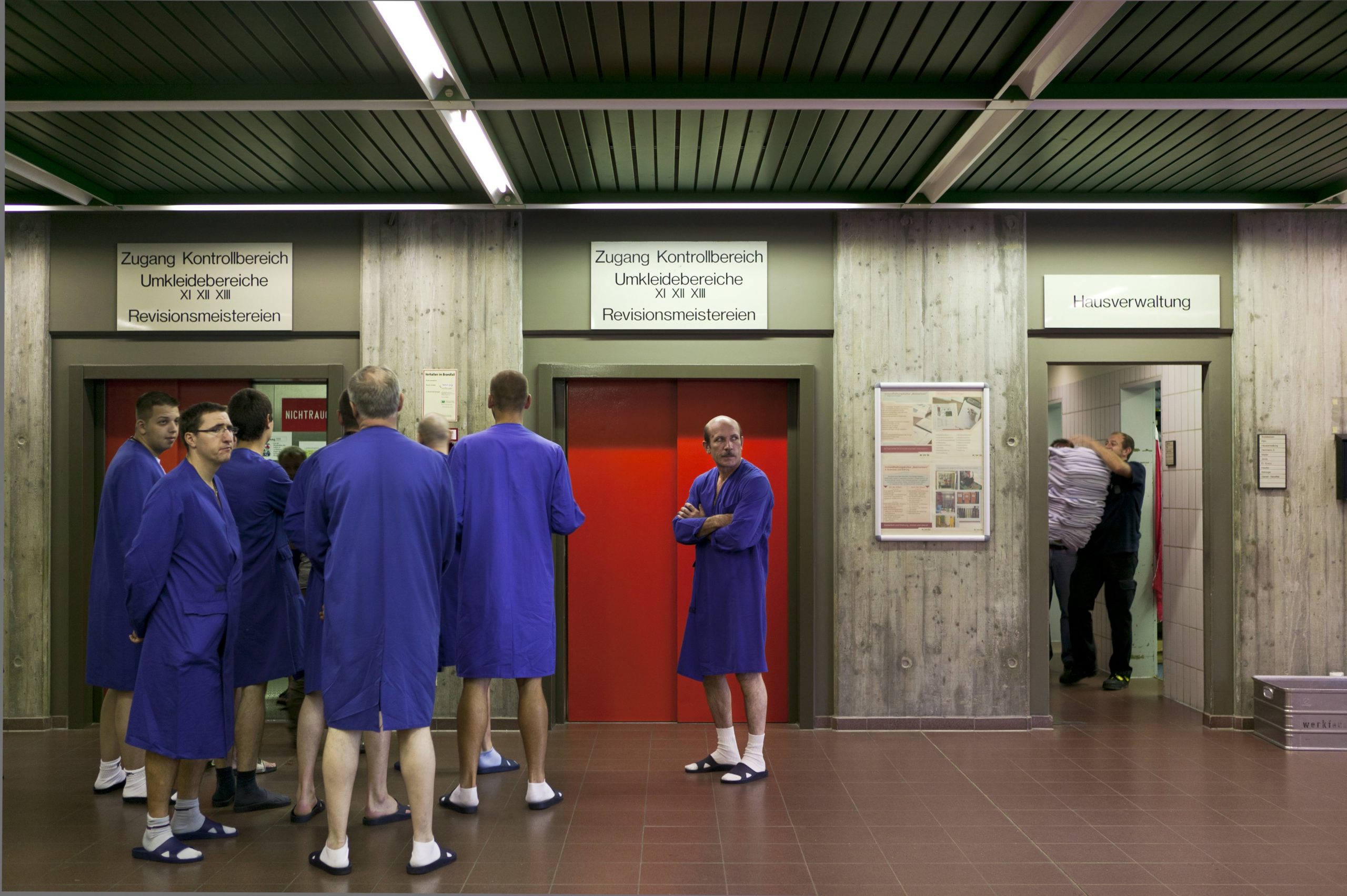
Unter Kontrolle, 2011, still
© credo:film
Tags ━━━━━━━━━━━