
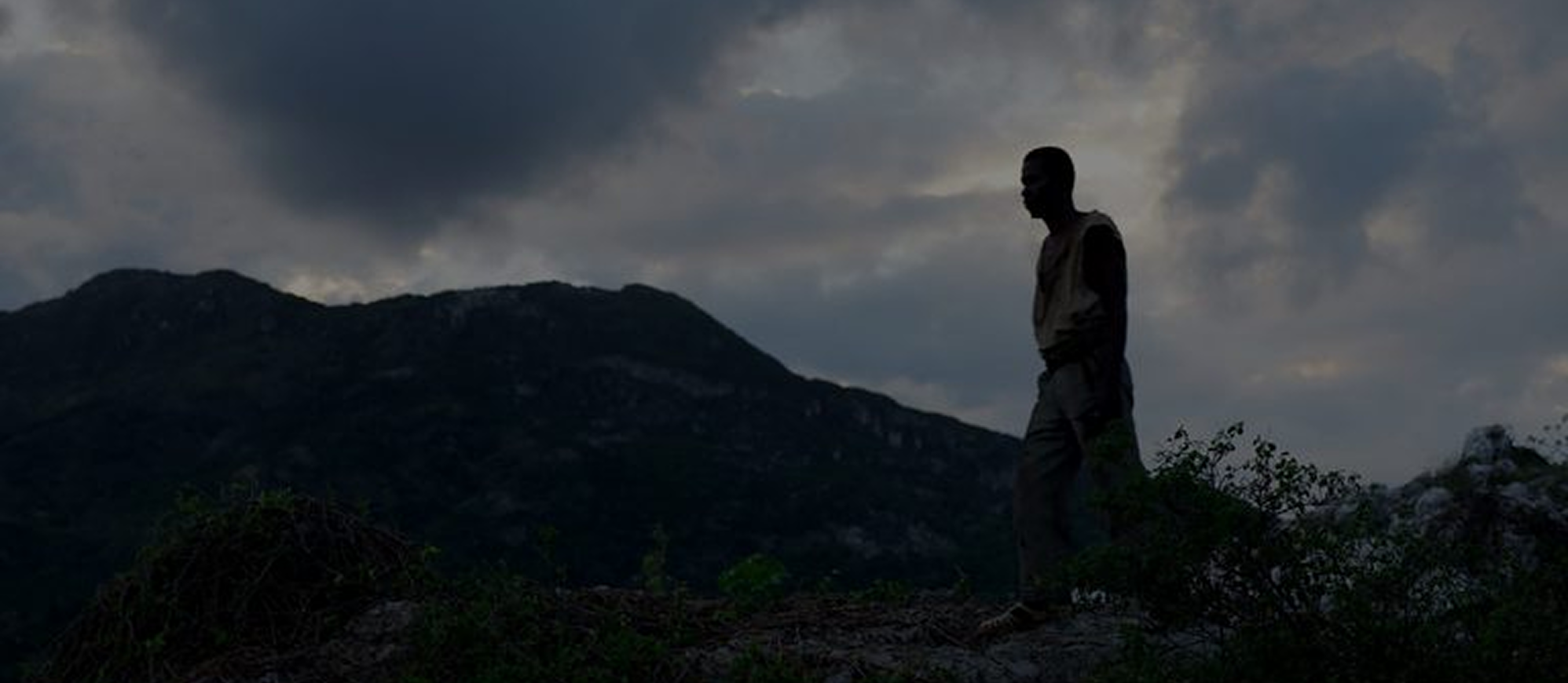
Forced labour even after death
Konrad Wakolbinger — 03.12.2020
A capitalism-critical reading of the zombie film on the occasion of the release of Zombi Child (2019) by Bertrand Bonello.
Zombies as staggering figures with rotting, open wounds and blood-smeared faces, who indiscriminately hunt human beings, have been a familiar subject in film ever since George Romero’s 1968 movie Night of the Living Dead.
In seinem Film “Zombi Child” (Frankreich 2019), der in einem streng katholischen Mädcheninternat im heutigen Paris und im Haiti der 1960 Jahre angesiedelt ist, entfernt sich Bertrand Bonello von dieser Figurenzeichnung und schließt damit an den ersten Zombie-Spielfilm der Filmgeschichte an.
White Zombie, directed by Victor Halperin and independently produced by his brother Edward in 1932, during Hollywood’s brief pre-Code period, is also set in Haiti and likewise draws on the form of the undead rooted in the Voodoo tradition that was common there. Before George Romero defined the genre’s characteristic zombie, zombies appeared as sluggishly moving, will-less and emotionless, yet outwardly intact human beings.
In both Bonello’s and Halperin’s films, those who have been robbed of their souls by a zombie master are put to work at night as forced laborers on the sugar plantations. Although research suggests that the phenomenon of the zombie did not develop only during the enslavement of people in the Caribbean, but was brought from Africa along with the Vodou religion, the early zombie films, as well as Zombi Child, lend themselves to an interpretation that portrays a hopeless fate—forced labor extending beyond death itself.
Nothing was more profitable for the elites of the European colonial powers than the sugar islands of the Caribbean. African slaves were the “fuel” that powered this proto-industrial plantation economy, and after just a few years they were “burned out.”
Although Romero chose a different visual language, his zombie films also have a political subtext. His criticism of American consumer society is particularly evident in Dawn of the Dead (1978), in which the last surviving humans fight for their survival in a shopping mall. Romero sees the zombies as a revolutionary manifestation of this sick society.
Bonello’s social criticism is more subtly embedded within a clichéd teenage and love story. The clique of girls at the French elite boarding school in Zombi Child is fascinated by the Voodoo tradition of their classmate from Haiti. When, out of lovesickness and without malicious intent, but in a quasi-colonialist manner, one of the students turns to Voodoo, a death occurs. The cultural appropriation of Voodoo by a white European woman serves as a metaphor for the exploitation and subjugation of the Global South.
Zombi Child Trailer
Zombie / Dawn of the Dead (1978) – Trailer
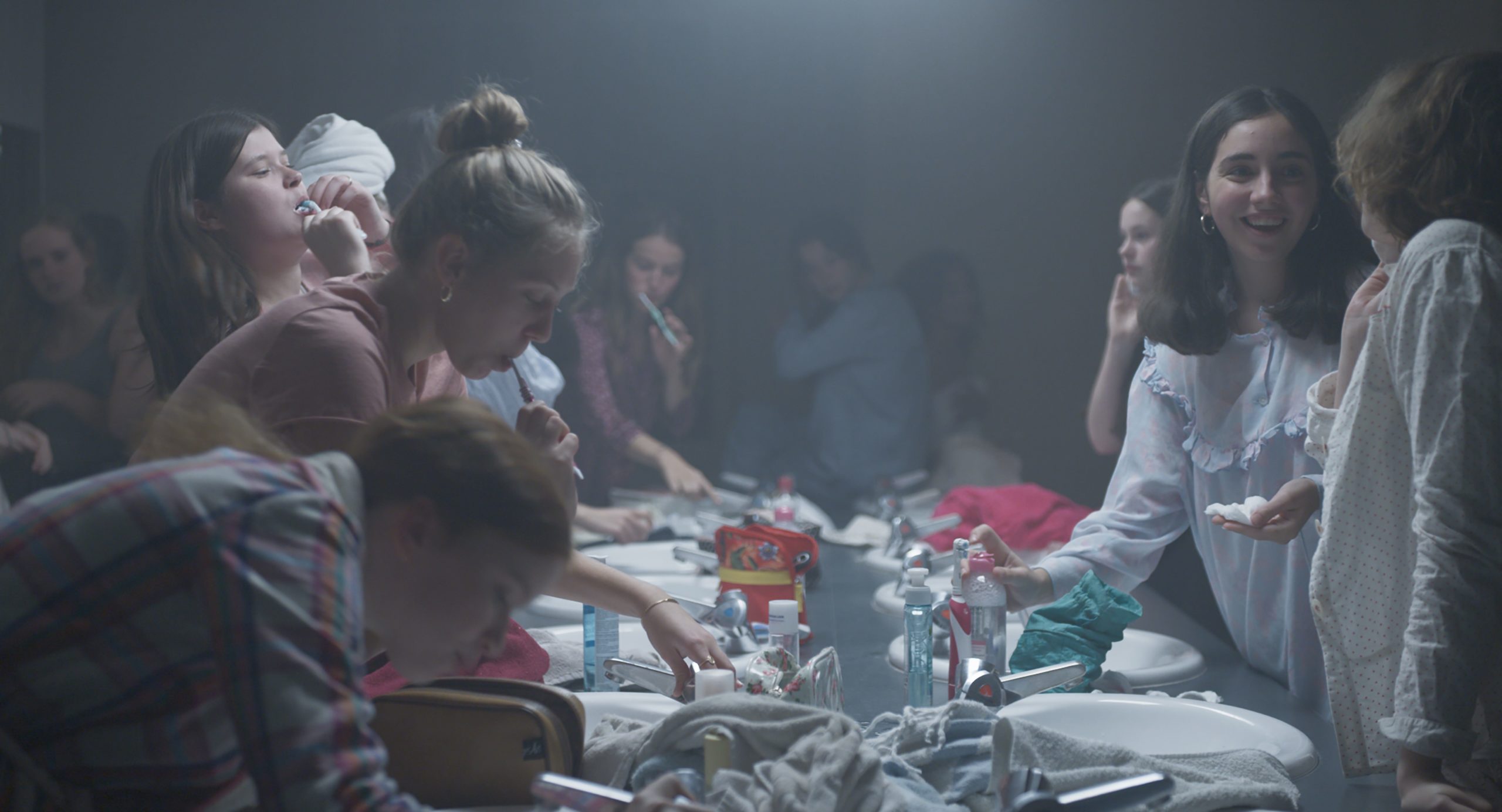
Film Still (all)
© Grandfilm (all)
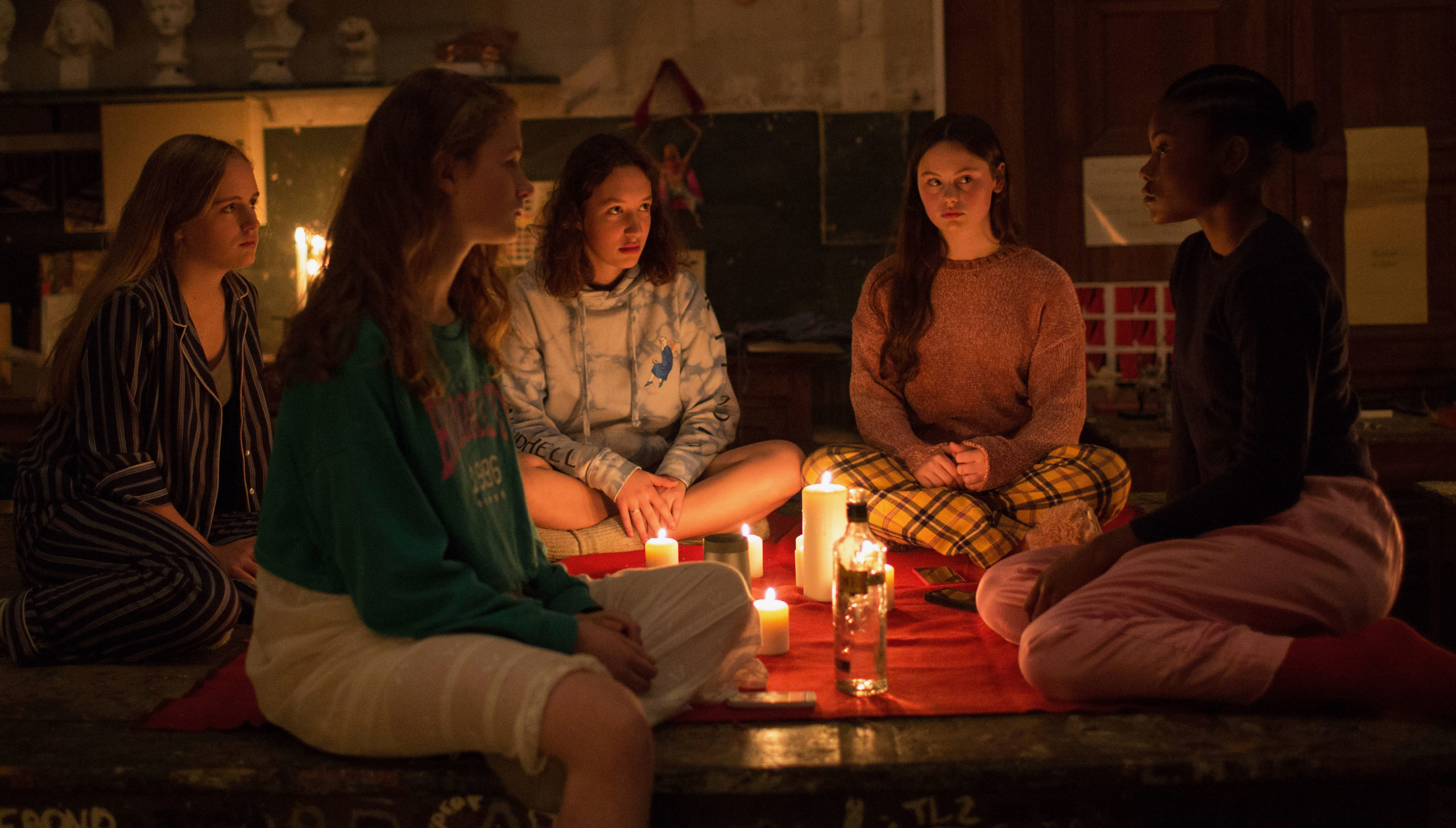
Film Still (all)
© Grandfilm (all)
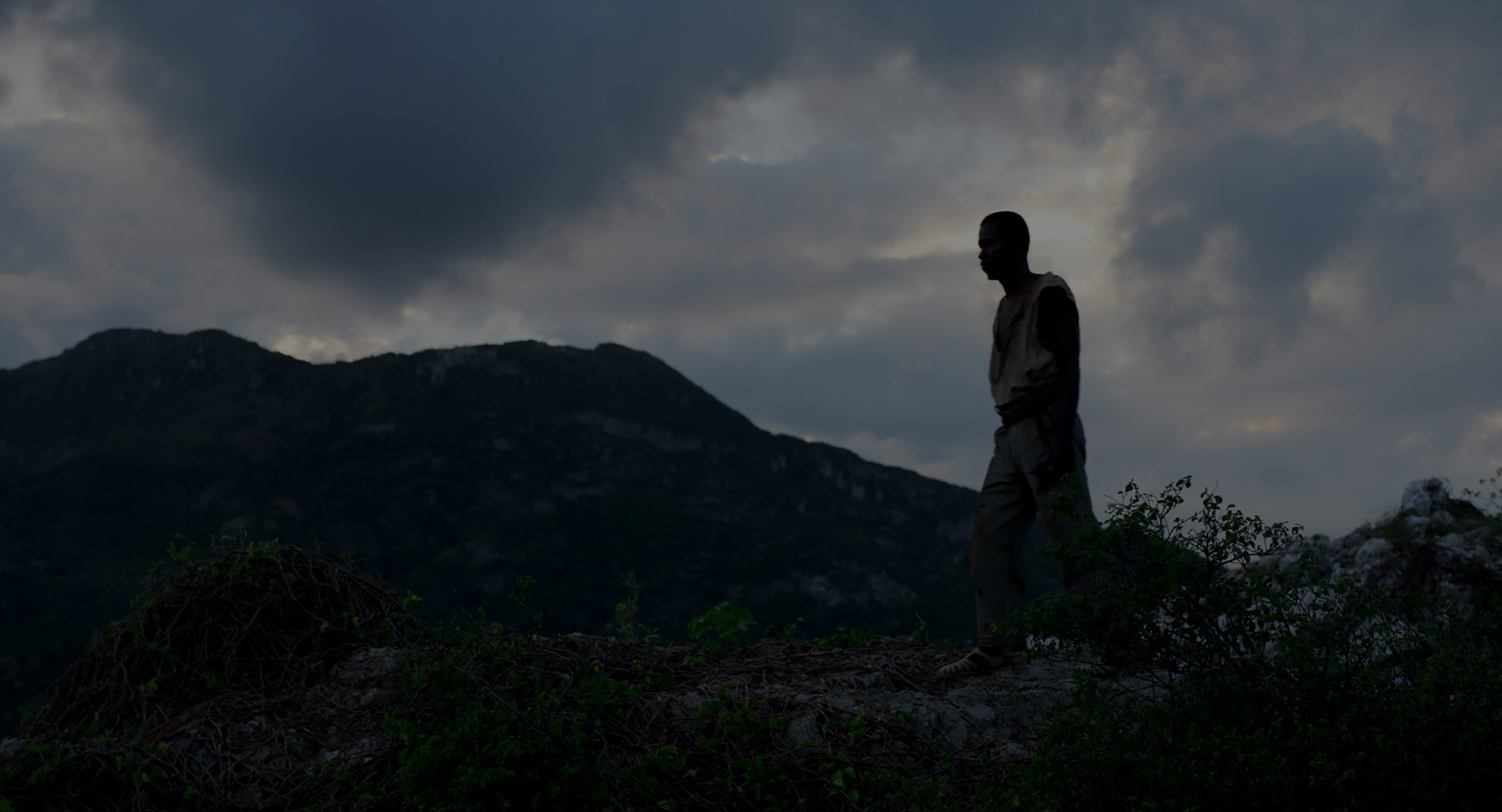
Film Still (all)
© Grandfilm (all)

Film Still (all)
© Grandfilm (all)

Film Still (all)
© Grandfilm (all)
Tags ━━━━━━━━━━━