
The unsung sing
Jörg Markowitsch — 04.10.2020
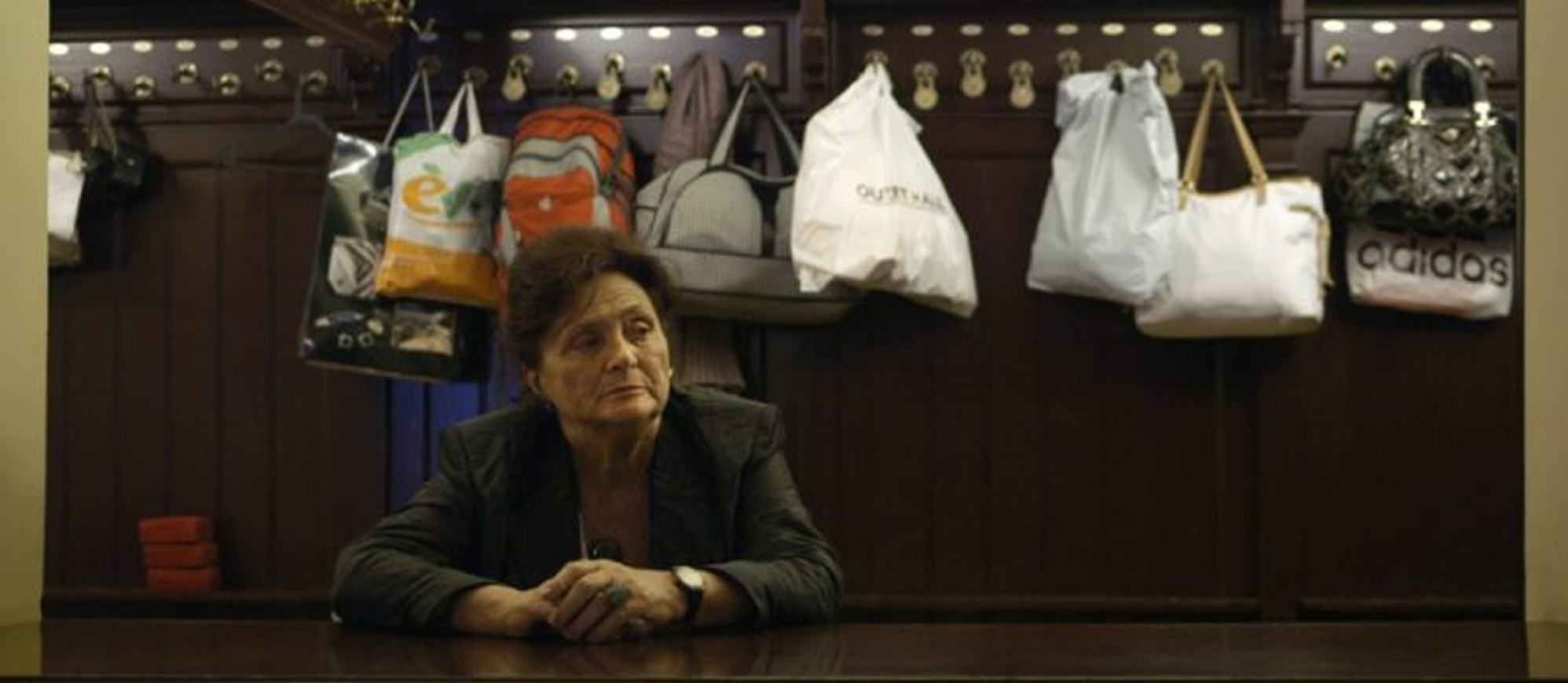
In the second part of his trilogy about people in unsung professions, "Secondo Me" (2016), Pavel Cuzuioc accompanies three cloakroom attendants at three European opera houses and welcomes the everyday to stage.
When I was visiting the University of Tallinn some time ago, it must have been shortly after Estonia’s accession to the EU, I was fascinated by the fact that there was a cloakroom there, like in a theatre, where — mostly women of a certain age — took the jackets and coats of young students. On the one hand there was this feeling of opulence in a supposedly less than well-off country, on the other hand there was this immediately tangible inequality. The social participation and simple presence of the older generation in the direct support of the younger ones seemed like something anachronistic.
The conversations between the cloakroom attendant and retiree Nadezhda Sokhtskaya, with her colleague at their workplace in the Odessa Opera House, documented in the film “Secondo Me” (2016) by Pavel Cuzuioc, made exactly this impression on me. The other two protagonists of the film, Flavio Fornasa in the cloakroom of the Teatro La Scala in Milan and Ronald Zwanziger in the Vienna State Opera, are their counterparts, and yet markedly different.
Flavio is in his mid-fifties, studied at the Technical University of Milan and is a full-time safety inspector for the Italian National Railway Company. The search for an additional part-time job led him to La Scala, where he first became a safety officer, then a ticket inspector and finally, since 2003, a cloakroom attendant.
Ronald, just over seventy, has a doctorate in Indo-Germanic Studies and was a full-time librarian at the library of the University of Vienna. For three decades, however, he has also been working as a cloakroom attendant at the Vienna State Opera in the evening.
The film vividly depicts the everyday life of the three cloakroom attendants, their work, leisure and family time. It shows them in the gym, in the nail studio, visiting a dolphin show with the grandchildren, playing chess with the children, cooking, eating and swimming. What is performed on stage at the respective opera houses remains behind closed doors and only occasionally reminds us that it’s there when the upholstered doors are opened. The stage that the film offers actually belongs exclusively to the three cloakroom attendants. Their small curtained kiosks look like miniature versions of the main stages of these famous houses — the cloakroom as an allegory of the world stage.
Flavio, who is about to say goodbye to his work forever, sums it up as if he were the chief executive of the opera house and not a simple background employee: “All in all, when I think of my time at La Scala, I wouldn’t do anything different […] basically I liked it here, I was happy.”
Professions where we find it difficult to see them as a valid vocation, and people who seem invisible to us and to whom we generally pay no attention, are in the focus of Moldavian-born and Vienna-based filmmaker Pavel Cuzuioc. His tributes to professional and everyday life bring social inequalities into perspective and show that the great can also be found in the supposedly insignificant, the simple, and that the former can’t work without the latter.
Reference:
Cuzuioc, Pavel (O.D), SECONDO ME, Presseheft, abgerufen am 5.10.2020
SECONDO ME, Ein Film von Pavel Cuzuioc, A 2016, 79 Min., DCP, ital./russ./dt. OF mit UT
Gundermann, 2018, Deutschland, Trailer
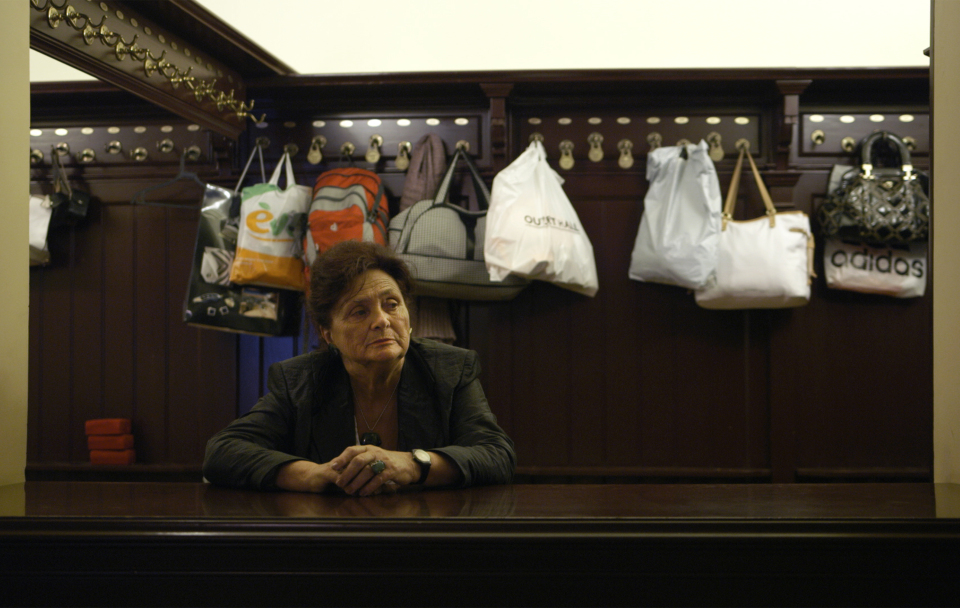
Nadezhda Sokhatskaya, Odessa Opera House, Filmstill
© Michael Schindegger, PAVEL CUZUIOC FILMPRODUKTION
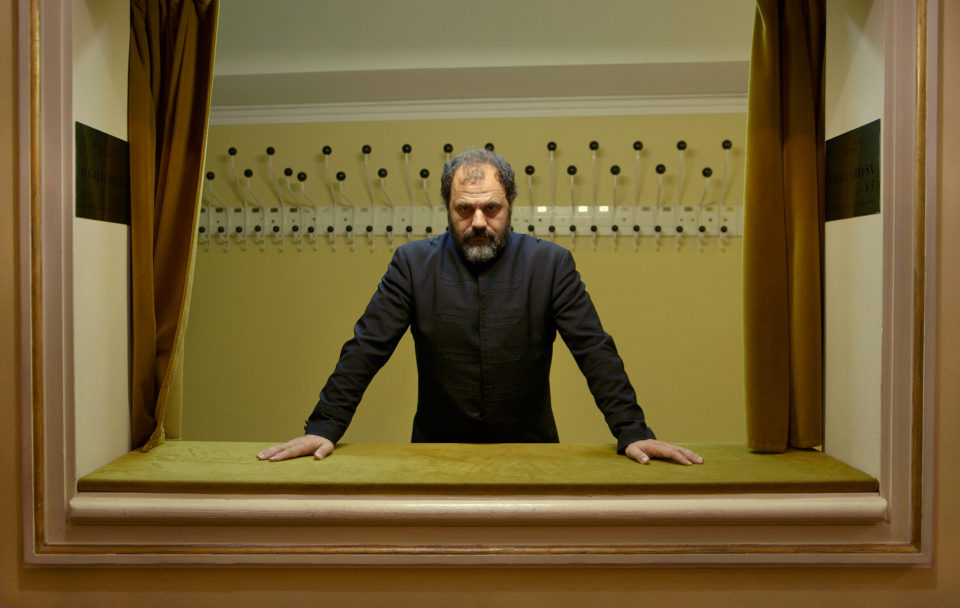
Flavio Fornasa – La Scala, Milan. Filmstill
© Michael Schindegger, PAVEL CUZUIOC FILMPRODUKTION
Tags ━━━━━━━━━━━