
Gundermann: Swan song on a work paradigm
Jörg Markowitsch — 28.09.2020
The biopic 'Gundermann' (2018) reveals en passant the decline of open-cast mining in Lusatia and the fleeting work paradigm of the German Democratic Republic.
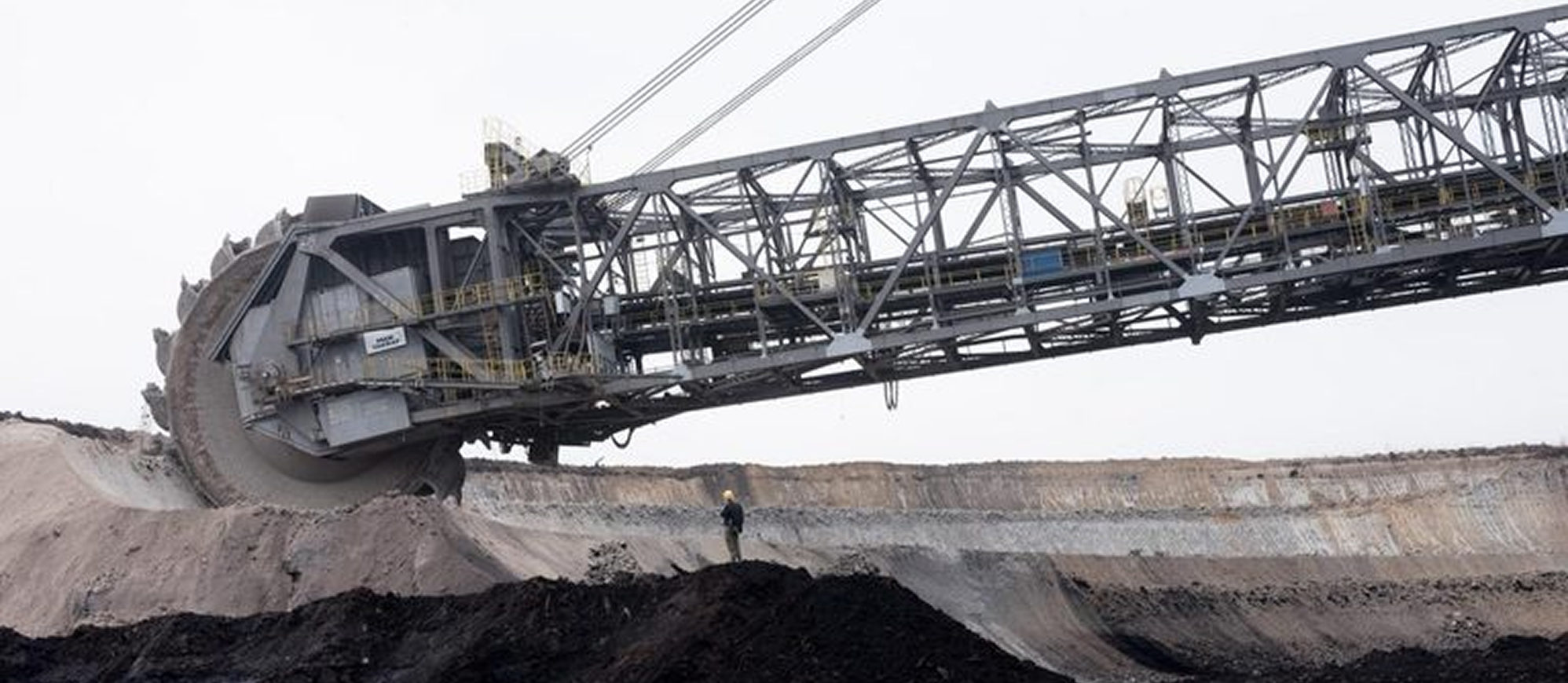
Upon seeing “Gundermann” for the third time, and still getting goose bumps for the third time, as Alexander Scheer (alias Gundermann) sings “The sad song of the otherwise always laughing aeroplane”. A key scene in the multi-award-winning biopic about the early departed East German singer-songwriter and miner Gerhard Gundermann (“Gundi”), who got involved with the STASI. The scene, as well as the song, are able to bring two essential elements of what made up Gundermann’s personality and life, to the point: Having to climb on the bucket wheel excavator at dawn and composing songs. The song ends, the recruitment into the STASI begins.
Über die kluge, sich jeglicher Schwarz-Weiß-Malerei entziehende, Inszenierung der STASI Vergangenheit von Gundermann ist viel geschrieben worden. Ebenso über die überragende Darbietung von Alexander Scheer, der im wahrsten Sinne in die Haut Gundermanns schlüpfte und seine Lieder nah am Original, und damit grandios, interpretierte. So einfach, wie vergangenes Jahr, war die Vergabe des deutschen Filmpreises, .
Apparently unnoticed, possibly also because it was completely incidental, but no less present, the reviews glossed over the vivid portrayal of a working reality we no longer see. There are still open-cast mines in Lusatia and elsewhere in Germany in operation, and even bucket wheel excavators, — next to which the mobile excavators look like toys. Noteworthy scenes like the one in the film, in which Helga, a petite frail excavator driver about to retire, anachronistically trains her colleague Gundi, are largely passé today. In any case, the high degree of work orientation and duty as well as solidarity within the brigade, i.e. the work paradigm of the German Democratic Republic (Thaa 1989; Wierling 1996) which is clearly depicted in film and music, are also history.
Interestingly enough, however, the changes brought about by the fall the Berlin Wall (’die Wende’) is hardly noticeable in Gundermann’s working world. While the fashion, the living conditions and the concert culture in the two periods depicted, the mid-1970s and early 1990s, differ significantly and thus make the frequent Tarantinoesque leaps in time easier for the viewer and yet, this does not seem to apply to Gundermann’s work environment at first. Gundi on the excavator seems soothingly timeless: the sudden melodic transitional cuts, indeed the interlocking of his music-making and his excavating effectively characterises an understanding of work that could only have existed before ‘die Wende’ – one would think.
According to this, only Gundi’s lonely car journeys through landscapes that were entirely sacrificed to the production of electricity connect culture and work. This is precisely where Europe’s largest artificial lake landscape is now being created. The film, not the lakes, will keep alive a sense of a vanished work paradigm.
Reference:
Wierling, D. (1996). Work, Workers, and Politics in the German Democratic Republic. International Labor and Working-Class History, 50, Labor under Communist Regimes, 44–63.
Thaa, W. (1989). Die legitimatorische Bedeutung des Arbeitsparadigmas in der DDR. Politische Vierteljahresschrift, 30(1), 94–113.
Gundermann, 2018, Deutschland, Trailer

Gerhard Gundermann (Alexander Scheer)
© Peter Hartwig / Pandora Film
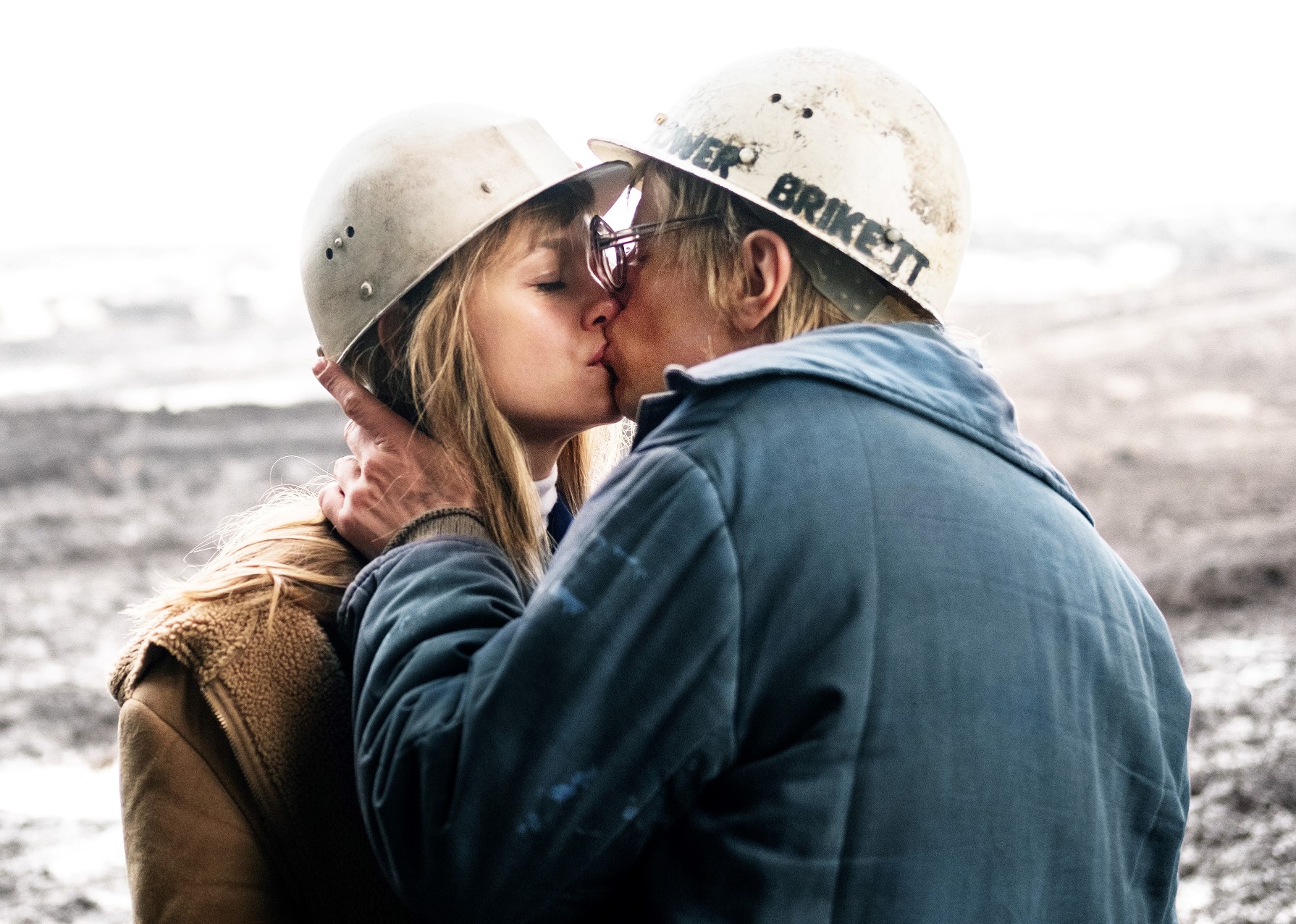
Anna Unterberger und Alexander Scheer
© Peter Hartwig / Pandora Film
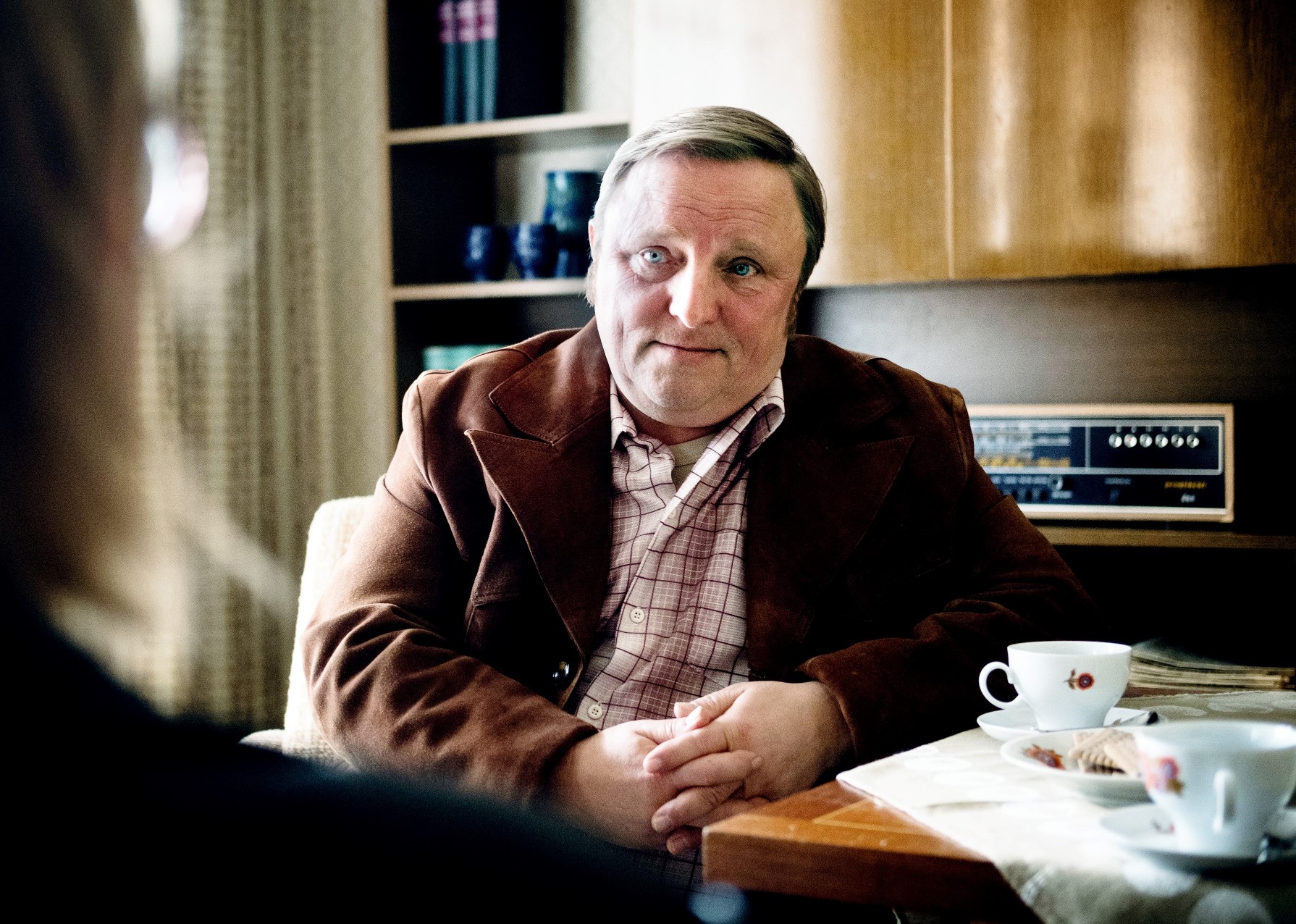
Führungsoffizier (Axel Prahl)
© Peter Hartwig / Pandora Film

Baggerfahrerin Helga (Eva Weißenborn)
© Peter Hartwig / Pandora Film
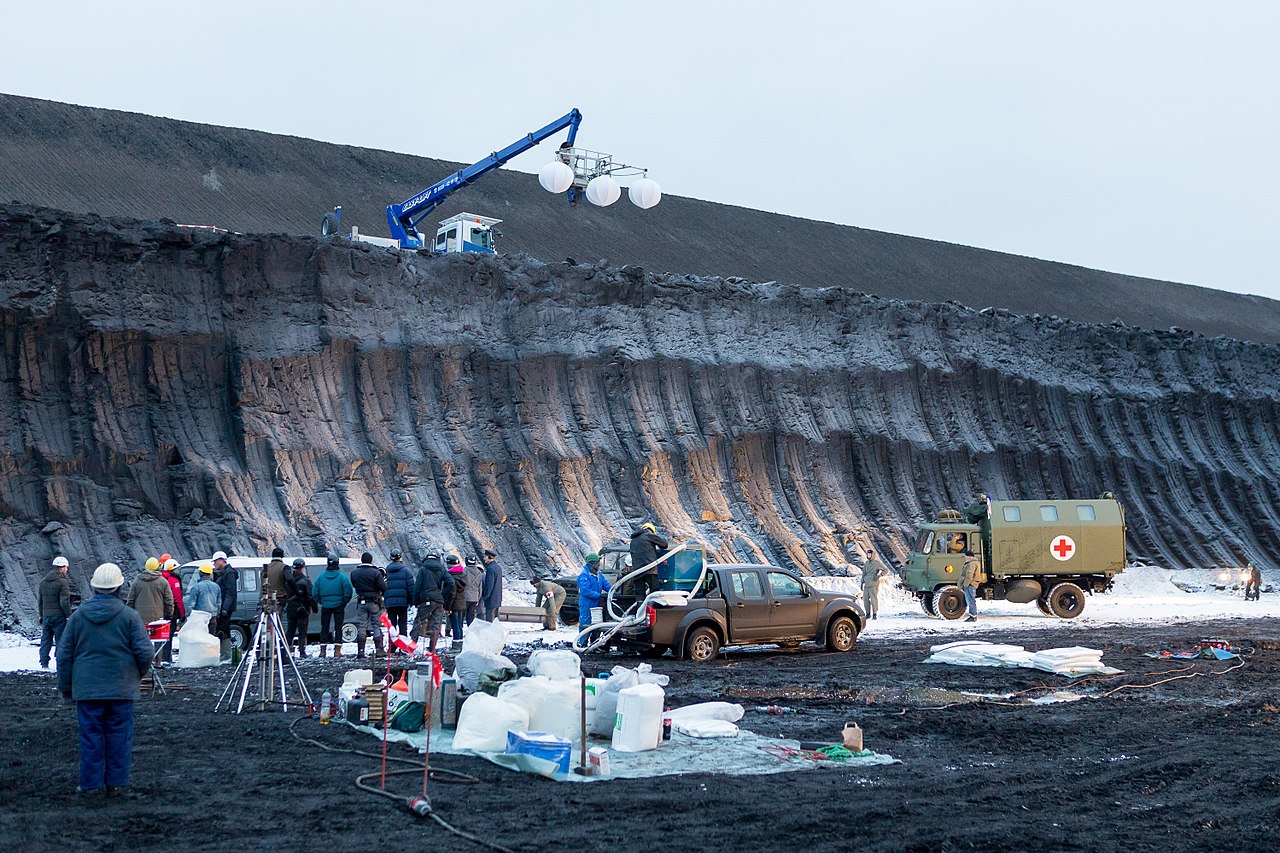
Dreharbeiten Gundermann in Tagewerk Nochten
© LEAG / Andreas Franke
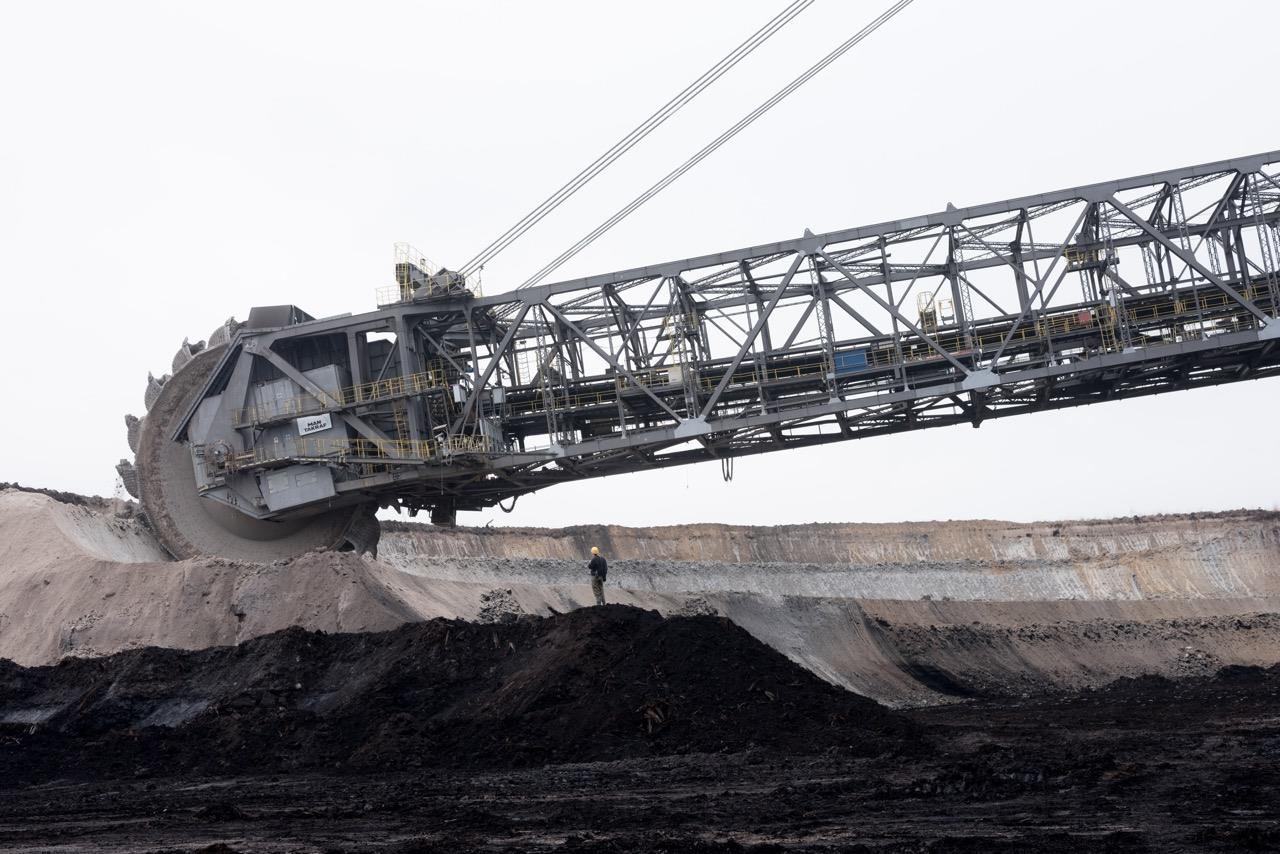
Dreharbeiten Gundermann
© Peter Hartwig / Pandora Film
Tags ━━━━━━━━━━━