
What‘s Work?
Jörg Markowitsch — 12.07.2022
What’s labour? What’s employment? And how have they changed over the centuries? Leading scholars from Europe, the US, China and Africa reflect on these and related questions in a six-part documentary by Gérard Mordillat and Bertrand Rothé, which makes for an outstanding podcast.
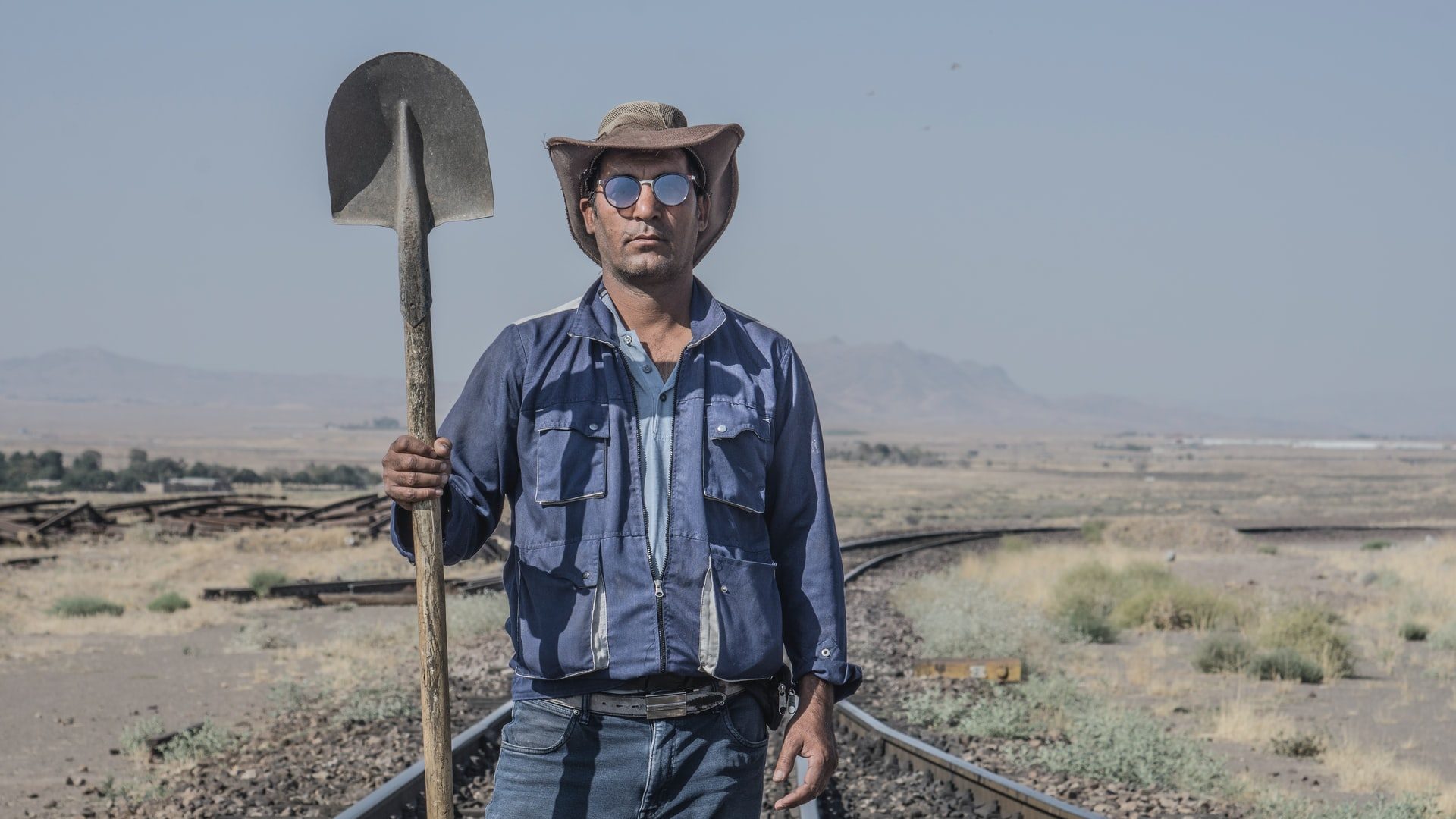
Digging and using a spade properly needs to be learned. This was one of the most grounding experiences that Serbian and Romanian seasonal workers taught me. For my 50th birthday, I gifted myself a traineeship in a horticultural enterprise. While digging up several hundred hedge plants together, it became clear: these men not only know how to use the spade correctly so that the root bales don’t get damaged; they also know the right pace of work and the necessary breaks to get through the day and the working week without straining. I can’t thank them enough.
“You have to work smoothly, monitor your movements. Only when you know the pickaxe well can you handle it properly. The earthworkers use it sparingly. Their movements are deliberate and well-measured. It requires skill to handle the shovel without excessive effort and to sustain the same workload every day. (…) If the earth is good, slips nicely and sings on the shovel, there is, before fatigue sets in, at least one hour in the day when the body feels happy.” (own translation) This is what the working-class writer George Navel wrote about earthworkers in his first work “Travaux” (1945).
I owe this reference to Navel and this quote to Olivier Favereau, emeritus French labour economist. He sees in it an example that even the most menial work can bring happiness and satisfaction at times, and he does not mean it cynically. Favereau is one of 21 academics who reflect on work, labour, employment, wages, capital and profit in the documentary “Work, Wages, Profit” (2019) by Gérard Mordillat and Bertrand Rothé.
The way the interviews are edited together stimulates insights through contrasts. For example, one explains the origin of “travailler” (to work) with reference to an instrument of torture, in contrast to simply “working” in English, while another sees it as the ultimate act of creation, since “travailler” originally also meant “to be in labour”, and in English it is still used that way. The majority of the reflections and anecdotes are extremely revealing and critical throughout. There is a lot of food for thought and ideas are turned upside down. For example, economists rarely deny that the labour market is still a market of supply and demand.
On the one hand, the documentary is suitable as an introduction to the work of Karl Marx, on the other hand it offers insights into contemporary economic, sociological and anthropological theories on work. But it is certainly also worthwhile for experts, as one gets to know excellent researchers who have yet to be translated into German or English. For example, the sociologist Danièle Linhart, who has been researching the role of work in society since the 1980s, or Frédéric Lordon, philosopher and economist at the Sorbonne, who is also considered the intellectual head of the protest movement “Nuit debout”. In addition, there are also well-known names in the German-speaking world, such as David Graeber.
The six parts, each lasting almost an hour, are composed exclusively of interviews with the researchers against a black background. This encourages concentration on the spoken word, but also tires the optic nerve. As a podcast, however, the documentary works excellently. So, well that you want to listen to some individual accounts twice.
A German and French version of “Arbeit, Lohn, Profit” (2019) can be seen and heard on Arte, YouTube and Archive.org.
References:
Linhart, Danièle (2015). La comédie humaine du travail. De la déshumanisation taylorienne à la sur-humanisation managériale, Paris: Erès.
Lordon, Frédéric (2014). Willing slaves of capital: Spinoza and Marx on desire. Verso Trade, 2014.
Navel, George (1945), Travaux. Paris: Stock.
‚Travail, salaire, profit‘ (Arbeit. Lohn, Profit), 2019, France, Gérard Mordillat and Bertrand Rothé

Danièle Linhart, Soziologin, „Arbeit, Lohn, Profit“ (2019), Filmstil
© Arte
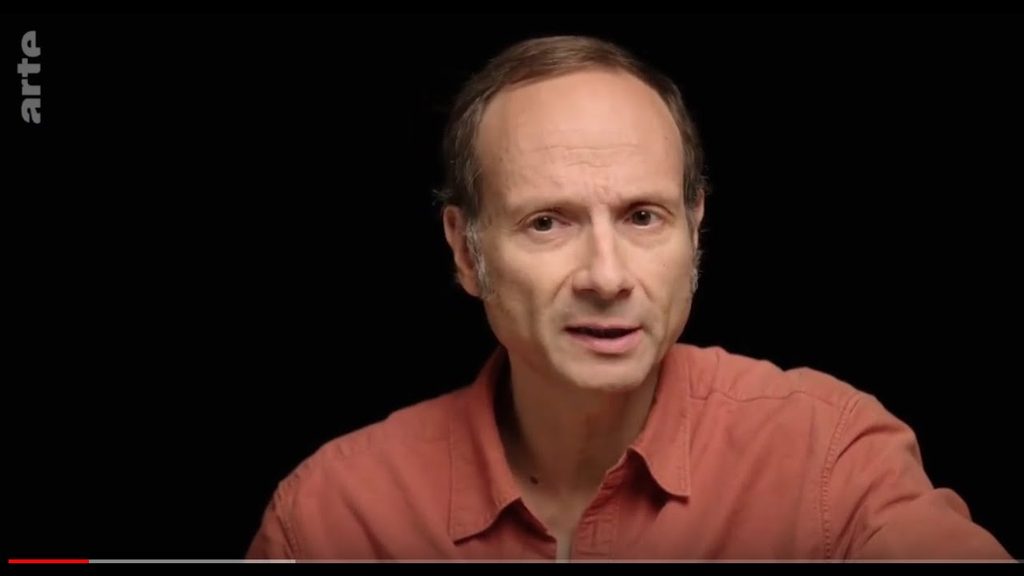
Frédéric Lordon, Ökonom und Philosoph, „Arbeit, Lohn, Profit“ (2019), Filmstil
© Arte
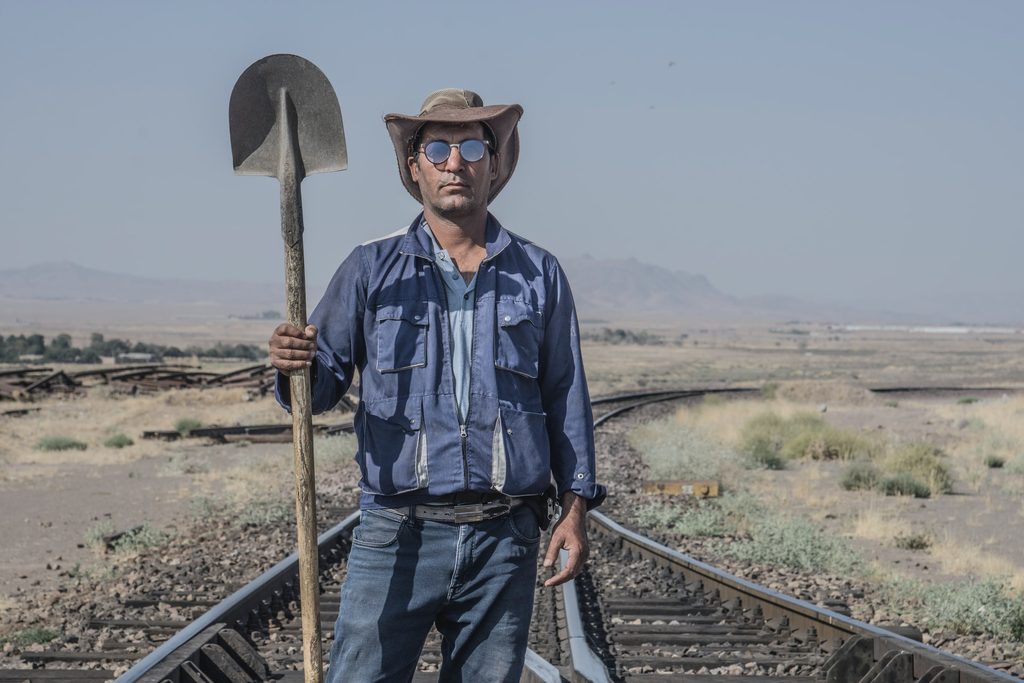
Iranian Railway Worker
© Photo by Javad Esmaeili on UnsplasH
Tags ━━━━━━━━━━━