
Superpowers on the job
Jörg Markowitsch — 21.09.2021
What to do with superhuman abilities on the job? Superheroes don't give much information on this. A troll in one of the most extraordinary Swedish films of recent years (Border, 2018), on the other hand does.
Superheroes, whether from Marvel, Disney, or DC Comics, generally all have a profession as well. Clark Kent (Superman) is a reporter, Peter Parker (Spider-Man) is a photographer, Diana Prince (Wonder Woman) is a nurse or archaeologist, and Bruce Wayne (Batman) is, on the side or as his main profession—depending on how you look at it—the chairman of the board. However, the unwritten rules governing the preservation of superhero parallel universes prohibit them from using their powers in their actual jobs. Much to the detriment of us all, because visionary ideas for the world of work and employment are therefore left unexplored.
Alleine die Vorstellung, da könnte jemand mit Superkräften ausgestattet im Job-Center vorsprechen oder ein Bewerbungsgespräch absolvieren, dürfte Arbeitsvermittlungen wie Personalabteilungen vor interessante Herausforderungen stellen. Wie sähe eine Arbeitswelt aus, in der einige wenige übermenschliche Fähigkeiten hätten? Wie ginge es ihnen in ihrem Job?
Despite all their otherwise considerable inventiveness, US comics and US blockbusters are remarkably unimaginative when it comes to this question. It is therefore all the more striking when such a circumstance is actually depicted. One example is the Swedish fantasy romantic drama Border (2018), directed by Ali Abbasi.
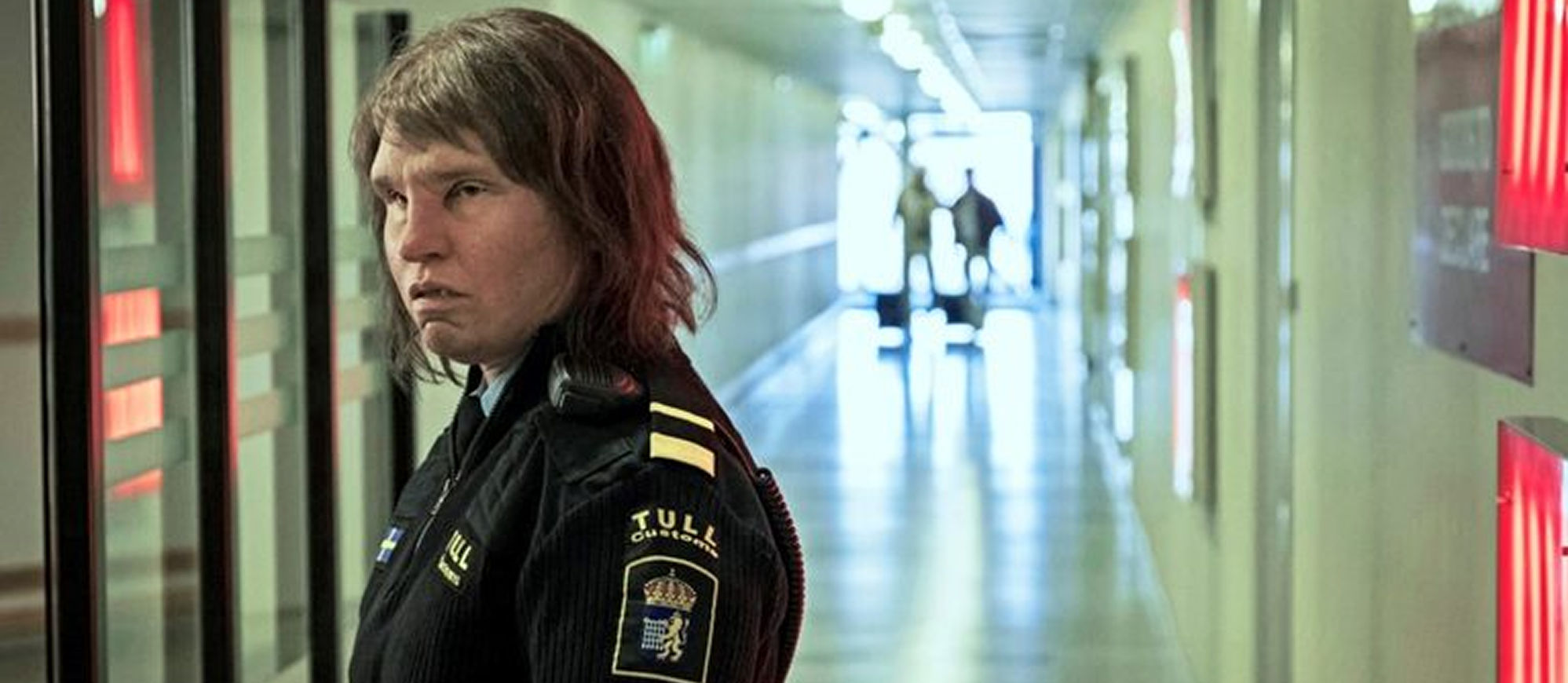
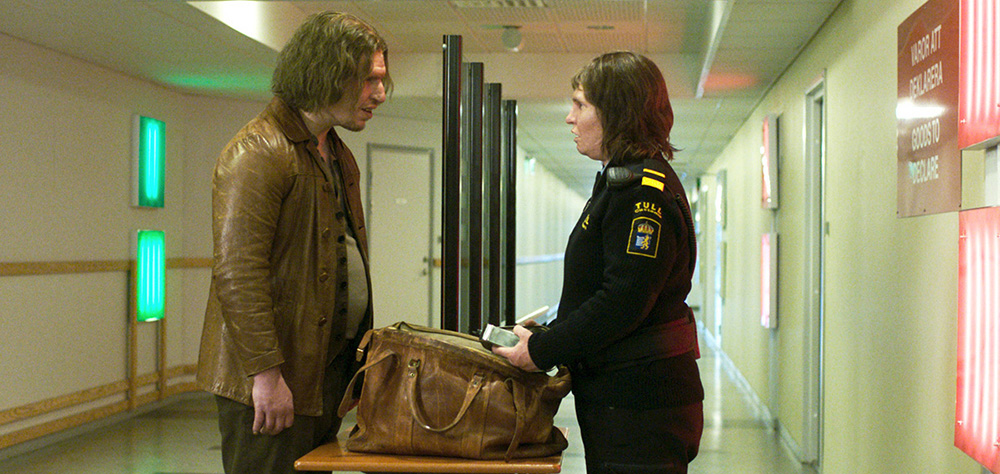
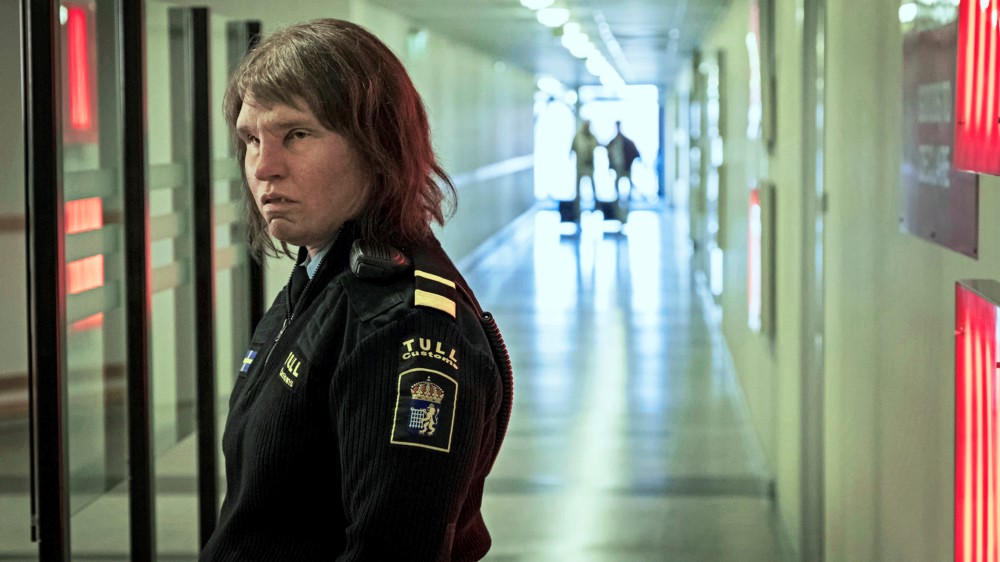
The film’s main character, Tina (Eva Melander, giving a superb performance beneath an extraordinary prosthetic makeup), works in customs, checking ferry passengers as they enter Sweden. She has an uncanny ability to detect people who are experiencing fear, shame, or guilt. She immediately identifies them and prevents any smuggling. Most of the time, she confiscates alcohol. But on one occasion, she sniffs out the owner of a memory card containing child pornography. As the investigation progresses, she uses her special gift to assist the police in their inquiries into the abuse case.
That Tina is a very, very unusual outsider is apparent from the outset because of her unconventional appearance. When it is revealed later in the film (spoiler alert) that she is a troll—and, moreover, a male one—the picture of the character becomes complete: a queer, humanoid customs officer with superpowers.
Sweden entered the film in the race for the Oscar for Best Foreign Language Film, and it was nominated for Best Film at the European Film Awards. In my view, Border is the best Swedish film since Let the Right One In (2008), which was showered with awards. Both films were written by the Swedish author John Erik Ajvide Lindqvist and consequently have quite a lot in common. They portray outsiders, combine elements of fantasy and/or horror with social realism, and in this way considerably broaden our horizons.
In his stories, the supernatural enters everyday places and prompts us to rethink what it means to be different. In the case of Let the Right One In, for example, this takes the form of a look at the loneliness and daily struggle for survival of a 12-year-old girl living in a Stockholm public housing complex, who is in fact a vampire with blood bags in her refrigerator.
Beide Filme hinterfragen auf überraschende und kluge Weise Geschlechtsidentitäten. Der Film „Border“ wirft jedoch zusätzlich die Frage nach der Bedeutung und den Konsequenzen von Alterität in Berufs- und Arbeitswelt auf.
Border (Trailer), Ali Abbasi, 2008

Border, 2018, Filmstill
© metafilm
Border, 2018, Filmstill
© metafilm
Eva Melande in Border, 2018, Filmstill
© metafilm
Tags ━━━━━━━━━━━